
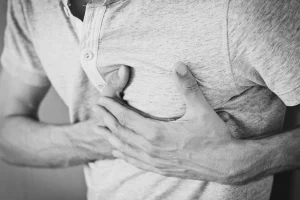
 Many people think anxiety only affects the mind. It’s often linked to worrying, racing thoughts, nervousness, or panic. However, anxiety can also cause real physical symptoms, sometimes so strong they seem like serious medical problems.
Chest pain is one of the most worrying symptoms people notice. It might feel sharp, tight, burning, or heavy, which leads many to ask, “Can anxiety cause chest pain?” The answer is yes. Anxiety can cause chest discomfort and other physical reactions in the body.
Knowing how anxiety affects the body is important for both peace of mind and good health. If not managed, ongoing stress and anxiety can affect your daily life, relationships, sleep, and physical health.
What is Anxiety and How Does It Affect the Body?
Anxiety is the body’s natural reaction to stress or danger. It triggers the body’s survival system, called the “fight-or-flight” response. This releases hormones like adrenaline and cortisol, which help the body react quickly to threats.
This response is helpful in real danger, but ongoing anxiety keeps the body alert for too long. Over time, this can cause many physical symptoms, such as:
- Increased heart rate
- Rapid breathing
- Muscle tension
- Sweating
- Dizziness
- Digestive problems
- Fatigue
- Chest tightness or pain
This close link between mind and body explains why emotional stress often shows up as physical symptoms.
Anxiety affects almost every system in the body, not just the mind.
Understanding Chest Pain: Causes Beyond the Heart
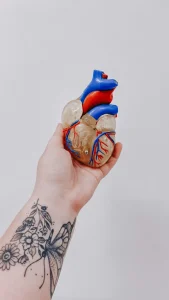 People often think chest pain means a heart problem, which can be scary. But not all chest pain comes from the heart. There are several other possible causes, such as:
- Muscle strain or tension
- Acid reflux or digestive issues
- Panic attacks
- Stress-related inflammation
- Respiratory conditions
- Anxiety-induced muscle tightness
When anxiety causes chest pain, it can feel a lot like heart-related pain. Anxiety can make chest muscles tighten, change how you breathe, and overstimulate your nervous system.
Some people feel chest pain during a panic attack. Others notice ongoing chest tightness when they are under long-term stress or worry.
Can Anxiety Cause Chest Pain? The Science Behind It
Anxiety-related chest pain is real, and science explains why it happens.
When anxiety activates the body’s stress response, several physiological changes occur:
Increased Muscle Tension
Anxiety often makes muscles tighten without you noticing, especially in the chest, shoulders, and neck. If this tension lasts, it can cause soreness, pressure, or sharp pain in the chest.
Hyperventilation
People with anxiety or panic attacks may start breathing quickly or shallowly. This can cause hyperventilation, which lowers carbon dioxide in the blood and leads to chest tightness, dizziness, and tingling.
Elevated Heart Rate
Anxiety can make your heart beat faster and harder, which can feel like heart-related chest pain. Some people become very aware of their heartbeat, which can make them feel even more anxious.
Stress Hormones
Long-term stress raises cortisol and adrenaline, which can lead to inflammation, muscle pain, and greater physical sensitivity.
Panic Attack Symptoms
 Panic attacks are particularly intense episodes of anxiety that can include:
- Chest pain
- Shortness of breath
- Heart palpitations
- Sweating
- Trembling
- Fear of dying
- Dizziness
Since chest pain during a panic attack can be intense, many people think they might be having a heart attack.
Other Hidden Physical Symptoms of Anxiety You Might Be Ignoring
Chest pain is just one of many physical symptoms of anxiety. Anxiety can affect the whole body in ways people often miss or don’t understand.
Some common anxiety-related symptoms include:
Digestive Problems
Anxiety can upset your digestive system, causing nausea, bloating, stomach pain, diarrhea, or loss of appetite.
Headaches and Migraines
Stress and muscle tension often cause headaches or migraines.
Body Aches and Muscle Pain
Ongoing anxiety can cause muscle tension and body pain, especially in the shoulders, neck, jaw, and back.
Fatigue and Weakness
Constant stress drains both physical and emotional energy, so people may feel tired even after resting.
Tingling or Numbness
Anxiety can change how you breathe and affect circulation, which may cause tingling in your hands, feet, or face.
Sleep Disturbances
People with anxiety often have trouble sleeping, may wake up feeling tense, or don’t feel rested after sleep.
These physical symptoms of anxiety are real and can have a big impact on your quality of life.
How to Differentiate Anxiety Chest Pain from Serious Medical Conditions
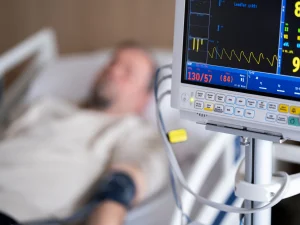 Even though anxiety can cause chest pain, you shouldn’t ignore new or severe symptoms. Always take chest pain seriously, especially if you’re not sure what’s causing it.
Anxiety Chest Pain Often:
- Occurs during stressful situations
- Improves as anxiety decreases
- Feels sharp, stabbing, or localized
- Happens alongside panic symptoms
- May come and go unpredictably
Heart Attack Symptoms May Include:
- Pressure or squeezing in the chest
- Pain spreading to the jaw, arm, or back
- Shortness of breath
- Nausea
- Cold sweats
- Symptoms worsening with physical exertion
Since symptoms can overlap, it’s important to see a doctor for chest pain, especially if it’s sudden, severe, or new to you.
A healthcare professional can check for serious medical problems and see if anxiety might be causing your symptoms.
Effective Ways to Manage Anxiety and Reduce Chest Pain
Managing anxiety can often reduce physical symptoms like chest discomfort. Treatment usually aims to calm the nervous system and improve emotional health.
Therapy for Anxiety
Therapy can help people understand what triggers their anxiety, how they think, and how they react emotionally. Cognitive Behavioral Therapy (CBT) and other proven methods are often used to treat anxiety.
Breathing and Relaxation Techniques
Deep breathing, meditation, and muscle relaxation exercises can help calm your body’s stress response and ease chest tightness.
Regular Exercise
Exercise helps balance stress hormones, boosts mood, and releases muscle tension.
Healthy Sleep Habits
Getting enough sleep helps you manage emotions and lowers stress-related symptoms.
Reducing Caffeine and Stimulants
Too much caffeine can make anxiety worse, causing a fast heartbeat and chest discomfort.
Mindfulness and Stress Management
Mindfulness helps you stay focused on the present, so you don’t get overwhelmed by anxious thoughts.
Seeking Professional Support
If anxiety is affecting your daily life or causing ongoing physical symptoms, talking to a mental health professional can be a helpful step toward feeling better.
Don’t Ignore the Signs. Understanding How Anxiety Affects Your Body Can Help Protect Your Health and Peace of Mind
Anxiety is more than just worry or nervousness. It can cause strong physical symptoms that affect your whole body. Chest pain, muscle tension, digestive problems, fatigue, and other unexplained symptoms can all be linked to ongoing stress and anxiety.
So, can anxiety cause chest pain? Yes, it can. The mind and body are closely connected, and emotional stress often shows up as physical symptoms.
But it’s important not to diagnose yourself. If you have ongoing or severe chest pain, always see a doctor to make sure it’s not a serious health issue.
Knowing how anxiety affects your body can help you feel less alone, more informed, and ready to get the support you need. With the right care, stress management, and treatment, you can reduce anxiety symptoms and feel better both physically and emotionally.
Be well,
